
Metal roofing is becoming an increasingly popular choice for homeowners, builders, and commercial property owners. Known for its durability, energy efficiency, and sleek, modern look, it’s no surprise that many are considering metal roofing for their next project. However, the cost remains one of the most significant factors to consider when selecting this material.
Whether you’re comparing metal roofing to more traditional asphalt shingles or looking into the best materials suited for your region, understanding the financial investment is essential. In this comprehensive guide, we’ll walk you through the costs of metal roofing, the factors that influence pricing, and how to navigate the decision-making process based on your specific needs.
What is Metal Roofing?
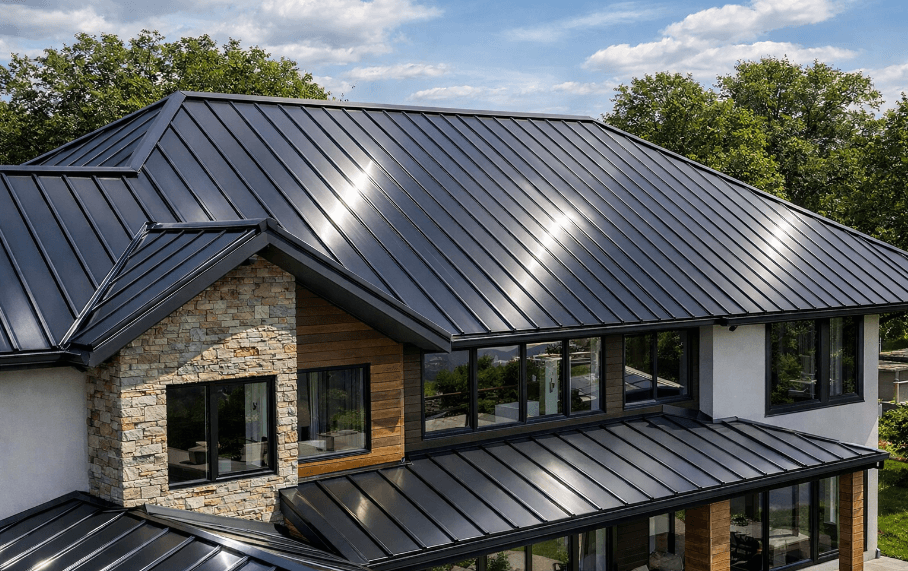
Metal roofing is a type of roofing system made from metal materials like steel, aluminum, copper, and zinc. These materials are lightweight, durable, and offer several significant benefits, including excellent resistance to extreme weather conditions, a long lifespan, and a modern, aesthetically appealing design.
Common Types of Metal Roofing:
- Steel: The most common and affordable metal roofing material.
- Aluminum: A lightweight material with excellent corrosion resistance, ideal for coastal areas.
- Copper: A high-end material known for its distinct appearance and long-lasting durability.
- Zinc: Known for its durability and long lifespan, but typically on the more expensive side.
Metal roofs typically last anywhere from 40 to 70 years much longer than the traditional asphalt shingles, which usually need replacing every 15 to 30 years.
Why Metal Roofing?
Metal roofing offers numerous long-term benefits, making it a smart investment despite the higher upfront costs.
Longevity
Metal roofs have an impressive lifespan, lasting anywhere from 40 to 70 years, far surpassing the 15-30 years of traditional roofing materials. This means fewer replacements over time, saving you significant money.
Durability
Metal roofs are incredibly strong, resistant to extreme weather conditions, and less likely to suffer damage from high winds, heavy rain, or snow. This makes them a great choice for homeowners in areas that experience challenging weather.
Energy Efficiency
Metal roofing reflects solar heat, reducing the amount of heat absorbed by your home. This helps to lower cooling costs during hot months, making metal roofing particularly beneficial for warm climates.
Eco-Friendly
Metal roofing is often made from recycled materials, and it itself is 100% recyclable at the end of its life cycle, reducing environmental waste.
Despite these impressive benefits, one of the main considerations for homeowners is cost.
Factors Influencing Metal Roofing Prices
The cost of metal roofing can vary greatly depending on several factors. Here’s what you need to consider when estimating the cost:
1. Material Type
The material you choose will have the most significant impact on the overall cost of your metal roof. Here’s a breakdown of popular materials:
- Steel Roofing: The most affordable, with prices ranging from $5 to $9 per square foot.
- Aluminum Roofing: Slightly more expensive, priced between $7 and $12 per square foot, offering better corrosion resistance, especially for coastal regions.
- Copper Roofing: The priciest option, ranging from $15 to $25 per square foot, known for its aesthetic appeal and exceptional longevity.
- Zinc Roofing: Also a premium material, typically priced between $9 and $14 per square foot.
2. Roof Size and Design
Larger roofs naturally cost more to cover. The design complexity also plays a role simple gable roofs cost less to install compared to complex roof shapes like mansard or hip roofs, which require more materials and labor.
3. Installation Costs
While you might be tempted to install a metal roof yourself, it’s typically recommended to hire a professional, especially for more expensive materials. Professional installation costs typically range between $2 and $10 per square foot, depending on the roof’s complexity and local labor rates.
4. Location
Location is a significant factor, as labor rates and material availability can fluctuate by region. For example, prices in cities like New York, Los Angeles, or Chicago will likely be higher due to higher labor costs, while rural areas tend to have more affordable installation services. Additionally, areas with extreme weather may require sturdier materials, which can raise the cost.
5. Additional Features
Adding extra features like coatings to improve energy efficiency, underlayment, gutters, flashing, and trim can increase the overall price of installation.
Metal Roofing Pricing by Material
Steel Roofing
Steel is the most commonly used material for metal roofing due to its durability, affordability, and versatility. Prices generally range from $5 to $9 per square foot, making it an excellent value for homeowners who want a durable, long-lasting roof at a reasonable price.
Aluminum Roofing
Aluminum offers superior corrosion resistance, especially in coastal areas, but it comes at a higher price. Prices range from $7 to $12 per square foot, and it’s an excellent choice for homeowners living near the coast or in areas that experience high humidity.
Copper Roofing
Copper is a high-end material that offers a unique, luxurious aesthetic and incredible longevity. However, it comes with a hefty price tag, ranging from $15 to $25 per square foot. Copper roofs often develop a patina as they age, providing a unique look that appeals to those who prefer a distinctive roof.
Zinc Roofing
Zinc is another durable, high-end roofing material with a unique aesthetic. It is priced between $9 and $14 per square foot and offers excellent long-term performance, especially in areas that experience frequent weather changes.
Regional Price Differences
While material and roof size play a significant role in determining the cost, your home’s location can also influence metal roofing prices.
- Urban vs. Rural Areas: In major cities like New York, Los Angeles, or Chicago, the costs will typically be higher due to increased labor rates and demand. Rural areas tend to offer lower labor costs, leading to more affordable installations.
- Weather Conditions: Areas that face heavy snow, high winds, or intense heat may require specific roofing materials, such as heavier gauge steel or aluminum, which can raise costs.
- Coastal Areas: Coastal regions often require corrosion-resistant materials like aluminum or copper to combat saltwater exposure, which can increase the overall price of installation.
How to Calculate Metal Roofing Costs for Your Home
Calculating the cost of metal roofing can be straightforward if you know the following:
- Measure the Roof Size: Determine the square footage of your roof to understand how much material you’ll need. Roofing materials are typically sold in squares (100 square feet per square).
- Choose the Material: Consider your climate, the durability of materials, and your aesthetic preferences when selecting a roofing material.
- Get Quotes from Contractors: Request at least three quotes from roofing contractors in your area. This will give you an idea of local pricing and help you compare offers.
- Add Installation Costs: Don’t forget that labor will add to the cost of installation, usually between $2 and $10 per square foot.
- Consider Additional Features: Features like underlayment, coatings, or custom flashing should also be factored into the total price.
Installation Considerations: DIY vs. Professional
Although DIY metal roofing installation is possible, it is generally best to hire a professional. Metal roofs require precision to ensure proper sealing and installation, and an experienced contractor will also make sure the roof meets local building codes. This can save you time, effort, and the potential cost of mistakes.
Professional Installation Costs
Professional installation costs range from $2 to $10 per square foot, depending on your location and the complexity of the roof. While this is an additional expense, professional installation is worth it for the long-term durability and performance of the roof.
Pros and Cons of Metal Roofing
Pros:
- Long lifespan: Metal roofs can last between 40 and 70 years.
- Durability: They can withstand severe weather conditions like high winds and heavy snow.
- Energy efficiency: Metal roofs reflect solar heat, reducing the need for air conditioning during the summer months.
- Low maintenance: Metal roofs require less maintenance compared to asphalt shingles.
- Eco-friendly: Most metal roofs are made from recycled materials and are recyclable at the end of their life cycle.
Cons:
- High upfront cost: Metal roofing costs more than traditional asphalt shingles.
- Noise: Metal roofing can be noisy during rain or hail, unless soundproofing is added.
- Professional installation required: Installing a metal roof is complex and typically requires professional expertise.
Conclusion
FAQs
How much does it cost to install a metal roof?
Metal roofing typically costs between $5 and $15 per square foot, depending on the material, design, and roof complexity. Installation costs generally range from $2 to $10 per square foot.
Can a metal roof be installed over existing shingles?
Yes, it’s possible to install a metal roof over existing shingles, which can reduce the cost of tear-off and disposal.
How long does a metal roof last?
Metal roofs have an impressive lifespan, lasting between 40 and 70 years.
What is the most cost-effective metal roofing material?
Steel roofing is the most affordable, with prices ranging from $5 to $9 per square foot.
What are the disadvantages of metal roofing?
The main disadvantages are the high initial cost and potential noise during storms.
Is metal roofing worth the investment?
Yes, metal roofing offers long-term benefits such as durability, energy savings, and minimal maintenance, making it a worthwhile investment for many homeowners.
How much more expensive is metal roofing compared to shingles?
Metal roofing is typically 2-3 times more expensive than asphalt shingles, but it lasts significantly longer and requires much less maintenance.
