
Does My Metal Roof Require Repair or Replacement
I usually start this discussion from the leaking metal roof angle, because once you need to fix an active issue, the important question becomes whether repair is enough or a full replacement is the best option for your roof. In my experience with commercial buildings, delaying action and wait too long to take care of the problem means things get worse fast. Small roof leaks often turn into water damage, mold, and higher energy bills, hurting energy efficiency and adding unnecessary stress, instead of helping you save money.
At the same time, it’s important to remember why people choose metal roofs in the first place: they are tough, long-lasting, and built for harsh weather. Even the strongest metal roof system has limits, and over time its durability can be reduced as panels get damaged, develop rust, or wear down, shortening the overall roof lifespan. Good maintenance protects performance and protection, but there comes a point where patchwork won’t help and you must decide whether to replace the whole thing or plan a strategic replacement instead of repeated repairs.
Common Signs Your Metal Roof Needs Attention
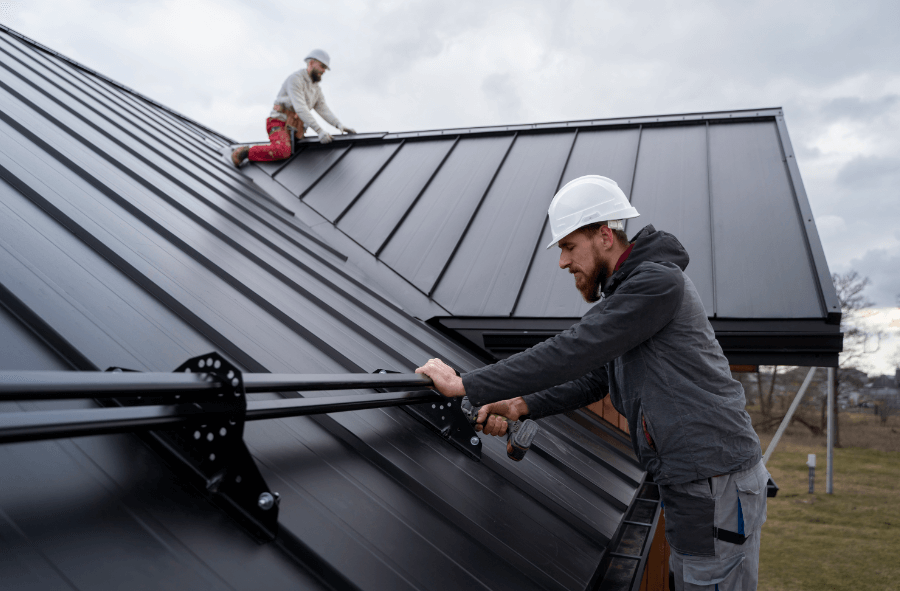
As someone who has inspected many commercial metal roof systems, I’ve learned that even when a roof looks strong, it still needs care. Small signs of damage often appear quietly and signal future trouble. This short section highlights how early attention, routine inspection, and timely maintenance help prevent serious issues before they grow.
Worn, Damaged Paint
When I inspect a metal roof, I often start with the paint finish, because paint damage is a bad sign that many homeowners notice too late; harsh weather, a sudden storm, weather damage, accidents, or heavy tree branches that crash onto the roof can leave scratches and marks, and even contractors working atop the house can shorten how long the painted finish lasts. This finish protects the material, preserves the color, and helps in keeping the roof looking bright and flawless, but even though a quality finish lasts about 10-40 years, its real lifespan can shorten quickly, causing color fading and exposing the home’s structure as damage spreads, which is why I often ask owners to consider a metal roof replacement before the paint failure turns into a deeper metal roof problem.
Panel Damage
From years of on-site inspections, the signs become obvious with time when powerful winds and hail storms assault a metal roof, causing damage to panels that are generally durable, weather resistant, and hard to penetrate, yet still able to sustain significant storm impact that threatens the ability to protect your home as issues develop like multiple dents, scratches, and in some cases bent sections; while professional repair can help extend the life of the system through partial fixes, major panel failure often points toward total replacement rather than short-term solutions.
Old Age
Many metal roofs and even a single metal roof are supposed to last 40 to 50 years, sometimes more than 40 years or even more than 50 years, but in real life I often start seeing hints of deterioration and clear deterioration due to age much earlier. This usually changes depending on where you live, because local air and weather conditions like high humidity, salty air, and heavy rains could cause the roof to start giving out within 20 to 30 years, sometimes closer to 20 years, sometimes near 30 years, especially when the roof is a few decades old or clearly decades old.
From hands-on inspections, when a roof has taken its fair share of weather damage and repeated repairs, that is the time to start considering and seriously considering whether a metal roof replacement or partial replacement is the most economical decision and the smarter economical decision. In some cases, certain roof materials may be a better fit and a better fit for your home, such as composite roof tiles made from recycled plastics, which can withstand all kinds of weather, handle all kinds of weather, and are known to last longer, often longer than 50 years or a full 50 years.
Loose or Missing Fasteners
On a commercial metal roof, loose fasteners or missing fasteners are easy to miss, but they matter. Screws and clips that hold in place the roofing panels can come loose over time, sometimes sticking out. When that happens, the roof shift risk increases, and panels can blow off during strong winds due to wind uplift. This panel movement stresses the fastening system, weakens structural stability, and becomes a clear maintenance issue.
Leaks and Water Stains
Persistent leaks and water stains are classic warnings. If you see water dripping or spots on the ceiling, there may be a hole or gap. A small metal roof leak can turn into a big problem if not addressed quickly. Moisture causes water intrusion across the roof surface, leading to interior damage. These are an early warning that careful inspection and ongoing maintenance are needed.
Rust or Corrosion
Rust and corrosion show why metal and moisture don’t mix. When you notice rust forming, it often means the roof coating or protective layer is wearing off. This process can eat through metal and cause holes through oxidation, leading to surface damage from long-term exposure and water contact. Over time, deterioration raises a serious structural risk.
Sagging or Warping
Visible sagging or warping means a metal roof no longer lie flat and smooth. Areas that look bent, droopy, or uneven usually point to a bigger issue underneath, such as water damage or weakened support. This affects structural support, the roof deck, and increases load stress, often hiding hidden damage.
When a Repair Makes Sense
Repairs usually make sense when the problem is minor, like a small leak, a few loose screws, or a tiny rust spot that is easy and affordable to fix. In my experience, using high-quality roofing sealant or metal roof sealant products can stop damage fast, especially when it is limited to one area or section of a roofing project. These issues often show up after storm damage or debris impact, and localized repair work is usually enough to protect the roof.
Sometimes, you don’t need to go all-in on a brand-new roof. A targeted metal roof leak repair can be the right choice, especially if the damage is small and caught early. If your roof is still fairly new, and metal roof systems last 40–50 years, being under 20 years old and in good condition makes repairing with the right roofing materials sensible. When working with a tight budget, repairs cost less than replacement, making them an affordable option, especially if a contractor uses high-quality materials.
When Replacement Is the Better Option
There comes a time when repairing a leaking metal roof just isn’t enough, especially if the roof’s condition shows widespread corrosion, major leaks, and large sections that have failed. In many commercial cases, a full repair is no longer cost-effective, and replacement becomes the smarter investment. From what I’ve seen on-site, this typically makes more sense when the roof is nearing the end of its lifespan, often around 40 to 50 years, and the roof has already been patched in multiple different areas. If the original system was installed improperly, replacement is often the better option.
In practice, many owners also choose replacement when they want to upgrade the building for better energy efficiency and enhance its appearance. While protective coatings can help extend a roof’s life around 10 to 15 years, by 20 years, restoration or replacement is usually the better choice. Using a high-quality coating system, applied by a skilled professional, can significantly boost performance, reduce long-term costs, and provide a more sustainable solution, but when damage is too advanced, replacement delivers the strongest long-term results.
Professional Inspection: Why It Matters
Before choosing to repair or replace a metal roof, a professional inspection gives real answers that surface-level checks miss. A skilled roofing contractor doesn’t just look at what’s visible from the ground; they inspect deep problem areas like hidden leaks, rust beneath surface, weak spots in the structure, and unseen damage. From my hands-on experience, catching issues early can truly save you from costly repairs later, especially when early signs are subtle but spreading.
During a thorough inspection, attention goes to seams and fasteners that may be loosened or corroded, allowing water intrusion. The flashing around roof edges, vents, and skylights is checked to ensure it’s intact and properly sealed, while repeated checks for rust, corrosion, and paint failure focus on panel overlaps and areas with standing water. A contractor closely reviews roof panels for dents, punctures, or warping that hurt drainage and compromise overall roof integrity, and also evaluates drainage systems like gutters and downspouts for blocked sections or water buildup. This process gives a clear picture of your roof condition, helping you make a smart decision that’s cost-effective, whether that means a small repair, regular maintenance, or a full replacement.
Conclusion
FAQs
Does a metal roof ever need to be replaced?
A metal roofs system rarely needs full replacement because its lifespan can reach 40 to 80 years, which is significantly longer than typical asphalt shingle roofs that usually follow a 20-year cycle. The real decision depends on the material, exposure, and upkeep, because depending on these conditions, metal can last far beyond what most people expect, making it one of the most durable roofing choices available today.
Is It Better to Replace or Repair a Roof?
When deciding replacement or repair, I usually guide the client to look at the roof condition first, because a full replacement can be a better investment when the roof is nearing the end of its lifespan, especially if it is 10-15 years old or more than expected, and the client intends to sell the property. In many cases I have seen, a cost-effective choice depends on how relatively minor the damage is, because repair is typically less expensive when problems are small, like with an asphalt or shingle surface, but once repeated fixes add up, replacement becomes the smarter choice for the long-term lifespan of the roof.
What Is the Real Lifespan of a Metal Roof?
From what I have seen on real sites, metal roofs are chosen because their average lifespan is strong and predictable, as they typically last between 40 years and 70 years when looked after properly. In many projects, I have noticed that premium metals perform even longer, with some options like copper roofs and zinc roofs that can exceed 70 years and even reach 100 years or more when there is proper care and regular maintenance, which clearly explains why these materials are known for lasting longer, for example, compared to other roofing types.
Should I Replace My Roof If It’s Not Leaking Yet?
From years on metal roofing sites, I’ve learned it’s wise to consider replacing a roof when it’s nearing its expected lifespan, even if it’s not visibly leaking, because waiting too long can be dangerous and often leads to leaks and subsequent problems that don’t show up right away; many leaks take some time to manifest inside the home, quietly causing hidden damage that homeowners only notice once repairs become more complex and costly.
