
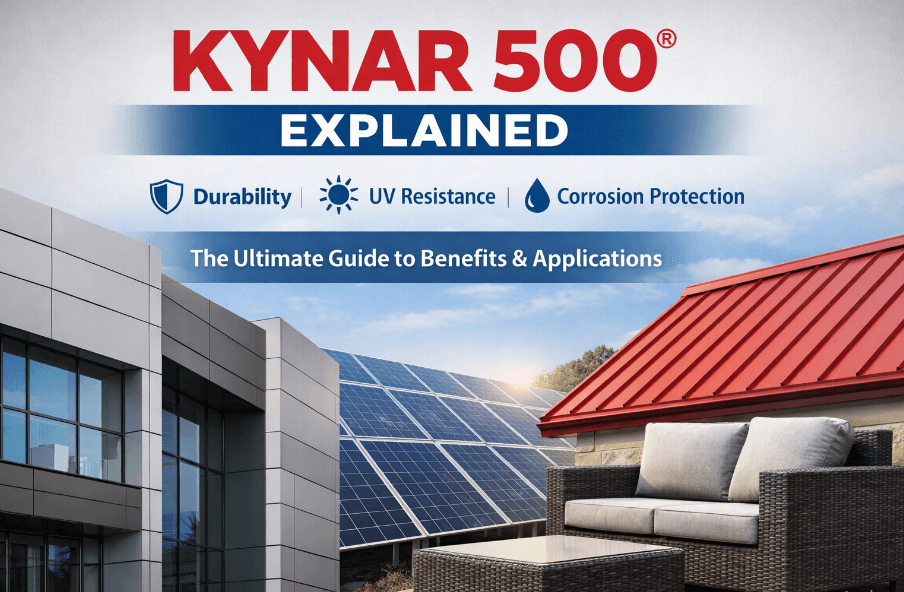
Kynar 500 is a high-performance coating material widely known for its exceptional durability, UV resistance, and corrosion protection. Whether you’re a contractor, architect, or consumer, understanding the full potential of Kynar 500 is crucial when selecting the right materials for long-lasting, weather-resistant finishes. In this comprehensive guide, we’ll explore what Kynar 500 is, why it matters, how it works, and where it’s used, along with a breakdown of its advantages and alternative options.
What is Kynar 500?
Kynar 500 is a brand name for a type of polyvinylidene fluoride (PVDF) resin developed by Arkema, a leading chemical manufacturer. This resin is used to create coatings that are known for their high resistance to UV radiation, harsh weather, and corrosion. Kynar 500 coatings are typically applied to metal surfaces, providing a protective layer that helps preserve the material underneath, especially in challenging environments.
Why Kynar 500 is Unique
Unlike traditional coatings, Kynar 500 forms a durable bond that resists fading, staining, and environmental degradation. The PVDF resin’s molecular structure ensures a high level of stability, even in extreme climates. It is particularly valued for maintaining the color and integrity of exterior building materials, roofing systems, and other structures exposed to the elements.
Why Kynar 500 Matters
Kynar 500 coatings are essential in industries where durability and aesthetic longevity are paramount. It’s most commonly used in architectural finishes, industrial products, and even consumer items like outdoor furniture. The material’s primary benefits include:
- Durability: Kynar 500’s resistance to UV rays, salt, and harsh chemicals makes it an excellent choice for environments that experience extreme conditions.
- Aesthetic Longevity: The coating retains its vibrant color over time, ensuring that structures and products maintain their visual appeal for many years.
- Cost Efficiency: By reducing the need for frequent maintenance and replacements, Kynar 500 offers long-term savings and higher ROI.
Applications of Kynar 500
Kynar 500 is a versatile material that is used across various industries due to its exceptional properties. Here’s a closer look at the main applications:
Architectural Uses
- Building Facades: Kynar 500 is a preferred choice for building exteriors because of its ability to resist fading and maintain a clean, polished look even after years of exposure to sun and rain.
- Roofing: Metal roofs coated with Kynar 500 are highly durable and UV-resistant, making them an ideal solution for both residential and commercial roofing projects.
- Windows and Curtain Walls: It’s also used in aluminum window frames and curtain walls to protect the building from corrosion and degradation.
Industrial Applications
- Automotive Parts: Kynar 500 is used in the automotive industry to provide long-lasting finishes that can withstand harsh weather conditions.
- Solar Panels: The coating is also applied to solar panels, ensuring they retain their performance and appearance even after prolonged exposure to the elements.
Consumer Products
- Outdoor Furniture: Kynar 500 is often applied to outdoor furniture, ensuring that the items maintain their appearance without rusting or fading in the sun.
How Kynar 500 Works
Kynar 500 coatings work by bonding to metal surfaces, creating a layer that offers superior protection. The PVDF polymer used in the coating repels water, preventing moisture absorption and reducing the likelihood of rust and corrosion. Additionally, Kynar 500 is resistant to high temperatures and UV radiation, which helps prevent color fading and surface degradation.
The application process typically involves:
- Surface Preparation: Cleaning the surface to remove dirt, rust, and contaminants.
- Coating Application: Applying the Kynar 500 coating, typically by spray or roll, to the prepared surface.
- Curing: The coating is cured at a specific temperature to ensure it bonds properly to the substrate.
- Finishing: Once the curing process is complete, the surface is finished and ready for use.
Benefits of Kynar 500 Coatings
Durability
Kynar 500 is known for its durability, especially in harsh environments. It resists the damaging effects of UV radiation, heat, and chemicals, making it ideal for applications in coastal regions, areas with heavy pollution, or extreme temperatures.
UV Resistance
One of the standout features of Kynar 500 is its ability to maintain its color and texture when exposed to UV radiation. This makes it an excellent choice for applications where long-term visual appeal is important, such as building facades and roofing.
Corrosion Resistance
Kynar 500’s corrosion resistance is unparalleled. It’s resistant to salt, moisture, and many industrial pollutants, making it ideal for use in coastal environments or places where corrosion from chemicals is a concern.
Aesthetic Longevity
Unlike many coatings that fade or discolor over time, Kynar 500 retains its vibrant colors for many years. This quality makes it a popular choice for architectural finishes, where visual appeal is a top priority.
Types and Variants of Kynar 500
There are several variations of Kynar 500 coatings, each designed for specific applications and conditions:
- Standard Kynar 500: Suitable for most general applications, including residential and commercial projects.
- Kynar 500 with Additives: Enhanced with additional components to provide extra protection against extreme weather or chemical exposure.
- Special Finish Kynar 500: Available in different finishes like matte, gloss, or metallic to meet aesthetic needs.
How Much Does Kynar 500 Cost?
The cost of Kynar 500 coatings varies based on the type of application, the quantity needed, and the region in which it’s purchased. Typically, Kynar 500 coatings cost between $5 and $10 per square foot, depending on the complexity of the job and the coating finish selected. For larger commercial projects, discounts may apply, and installation costs can add another layer to the overall price.
Risks and Mistakes to Avoid
- Improper Surface Preparation: Failing to properly clean and prepare the surface before applying Kynar 500 can reduce the effectiveness of the coating.
- Using the Wrong Variant: For highly corrosive environments, make sure you choose a version of Kynar 500 that includes additional protective features.
- Over-application: Applying too many layers of Kynar 500 can cause cracks or peeling, leading to poor performance.
Alternatives to Kynar 500
While Kynar 500 is widely regarded as the best option for weather-resistant coatings, there are alternatives that might suit different needs:
- Fluoropolymer Coatings: Similar to Kynar 500 but with slight variations in chemical composition.
- Polyester Coatings: A more affordable option, but it doesn’t offer the same level of durability or UV resistance as Kynar 500.
Entity Glossary
- PVDF (Polyvinylidene Fluoride): A type of plastic resin known for its high resistance to UV rays, chemicals, and weathering.
- Kynar 500: A branded PVDF resin developed by Arkema.
- Corrosion: The deterioration of materials, often caused by exposure to moisture, chemicals, or UV light.
FAQs
What is Kynar 500 made of?
Kynar 500 is made from polyvinylidene fluoride (PVDF), a durable and weather-resistant resin.
How long does Kynar 500 last?
Kynar 500 can last up to 30 years depending on exposure to environmental factors like UV radiation and moisture.
Is Kynar 500 UV-resistant?
Yes, Kynar 500 is highly resistant to UV rays, preventing color fading and surface degradation.
How much does Kynar 500 cost per square foot?
The cost of Kynar 500 generally ranges between $5 and $10 per square foot, depending on the project.
What industries use Kynar 500?
Kynar 500 is used in industries such as construction, automotive, and solar energy, as well as for consumer products like outdoor furniture.
How is Kynar 500 applied to metal surfaces?
Kynar 500 is applied through spraying or rolling, followed by curing at a specified temperature to bond the coating to the metal.
Can Kynar 500 be used in coastal environments?
Yes, Kynar 500 is ideal for coastal environments due to its corrosion resistance against salt and moisture.
