

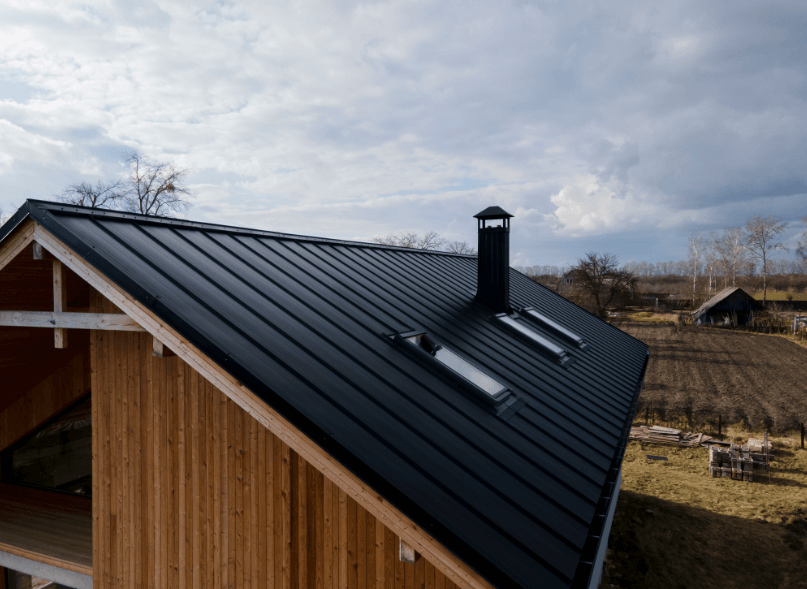
Many DIYers see roof work as a manageable project, especially when they already use hand tools and have handled a low-pitch shingle roof before, but the reality changes when the surface involves a natural slate roof. From my own field experience, I learned that walkability on these roofs is closely tied to safety and often demands a professional who understands how slate roof tiles behave under weight. Beyond structure, slate roofing adds elegance, luxury, and sophistication to a home, which is why many homeowners value its architectural style, natural beauty, and aesthetic, but that same premium roofing performance limits where footsteps can go without cracking the material or compromising future roofing performance.
Why Natural Slate Is Dangerous To Walk On
Walking on a natural slate roof is risky, especially during the rainy season, because natural slate tiles are relatively smooth and become slippery when wet on a pitched roof. From field experience, an aged roof often shows mold, mildew, and organic buildup, making leaks more apparent and the surface dangerous to walk on, as a single trip across roof sections can turn precarious. With older slate roofs, loose tiles, cracked tiles, and broken tiles are common, increasing the chance of failure during roof repairs unless handled by experienced roofers with the right gear and proven experience to safely perform work. The bottom line is that while people install slate roofing for durability and appearance, stepping on it without training is unsafe and should be left to professionals.
Should You Walk on a Slate Roof? The Short Answer:
Reasons to Avoid Walking On a Slate Roof
Slate roofs may look durable, but in real working conditions they are also brittle, and even a properly maintained roof that can last over a hundred years while protecting your home’s structure in all weather conditions can fail when exposed to pressure, especially the precise and localized force of a single footstep, which can crack the surface; from field experience, it is often possible to walk without visible damage, yet small crevices get created throughout the tiles and later lead to water accumulation and leakage, so in most cases it is best to call a professional for repairs and maintenance, particularly if you are considering getting this type of roofing installed or currently have it on your home, because when you explore a few more details related to the material, it becomes clear why walking on it might not be a good idea.
Moisture Accumulation:
If it has recently rained or snowed, you should always wait until the roof has dried before stepping onto it, because slate can become incredibly slippery when wet, which from my experience makes it difficult to gain traction while walking on the roof during wet conditions, even with non-slip shoes on, as moisture often settles between tiles and reduces grip in ways that are not visible at first glance.
Potential Unseen Damage:
When people ask if they can walk on slate, the real issue often starts with damage you cannot see right away, because slate roofs tend to soften with age, and a single step can cause tiles to loosen, crumble, or even break off without immediate signs. From practical experience, I have seen pieces of tiles flaking off or delaminating, leaving a powdery appearance that signals deeper weakness, even when there are no visibly cracked tiles or obvious missing tiles at first glance. Over time, homeowners begin looking into repairs, only to realize the damage was possible much earlier and now points toward roof replacement, which could have been avoided by staying off the surface.
Tile Discolouration:
As slate tiles on a roof go through a natural weathering process with age, they often turn darker, showing shades like brown, brownish-yellow, or tan colour, which many homeowners notice only after the roof was first installed years ago. This changed colour may indicate something normal, but from on-site experience it often means the surface is becoming less stable and requires extra care and regular maintenance. I have seen cases where ignoring this visual change led to hidden weakness, so timely repairs are important before anyone walks on it, especially since discoloured slate can crack under pressure.
Rotted Roof Sheathing:
When deciding can you walk on slate roof, the hidden danger often lies below the surface, where thin sheets of wood underneath the slate tiles can absorb moisture and eventually rot in certain areas of the slate, especially when it is cracked or deteriorated due to age or weather damage. From professional inspections, I have seen that stepping onto a roof showing signs of wood rot or mould, whether noticed from the interior or exterior, can put the whole structure at risk and make it dangerously unstable, even if the surface tiles appear intact.
Cost of Repair and Replacement:
From experience, the real problem appears when a natural slate roof is already installed and then someone decides to walk on roof, because even minor cracks force you to eventually replace tiles that are already two to three times more expensive than regular shingles. The weight of slate tiles also makes shipping more costly, and sometimes the roof structure must be reinforced to withstand the additional weight, which drives the bill further. Add in weather damage or unforeseen circumstances, and suddenly homeowners are calling a professional roofing company for repairs, where the invoice reflects specialized labor and material scarcity. To avoid damaging the tiles in the first place, I learned never to step directly on them because even one mistake on a delicate roof system can escalate into major cost layers very quickly.
FAQs
Is it okay to walk on a slate roof?
When people ask whether walking on a slate roof can be done safely, the answer depends under pressure and conditions rather than intention, because slate may look durable but it is also brittle by nature; even a properly maintained roof that can last over a hundred years protecting your home’s structure in all weather conditions can crack when a precise, localized force from a single footstep is applied, which is why reasons to avoid walking on slate roofs are often overlooked and damage may occur without immediate signs, especially when people assume durability means strength of movement.
Will I damage my roof if I walk on it?
From practical site experience, even light Foot traffic can place a lot of stress on your roof, and that pressure may lead to hidden damage over time. Weakened materials often develop cracks in unexpected places, which can result in shifting tiles and other structural issues, especially during the next major rainfall. This kind of damage does not always appear immediately but can grow further as water enters small openings, affecting the integrity of the roof and increasing repair risk. If a person walks carelessly on the surface, it may accelerate wear and create problems that are costly to fix later.
Is there a weight limit for walking on a roof?
Most residential roofs are designed during the roof design phase to support a live load of at least 20 pounds per square foot, which equals pounds per square foot spread across the roof surface. This allowance covers temporary weights such as people walking or snow accumulation, and that natural accumulation is already factored in; however, whether the roof capacity can hold a 400-pound person always depends on various factors including the type of roof, overall roof type, current roof condition, underlying structural condition, total load capacity, and proper weight distribution, which is especially critical on slate where loads concentrate more sharply than on other materials.
What kind of roof can you walk on?
From hands-on roofing work, I have seen that a single-ply system like Polyvinyl Chloride PVC behaves very differently than slate when it comes to access. This type of roof is generally tougher and more durable, and it can withstand foot traffic in moderation more easily in many ways, especially compared to fragile stone surfaces. However, even though it can take light movement, it cannot handle careless tool strikes, and sharp impacts remain a risk. In contrast, materials such as TPO are often less forgiving under pressure, which is why knowing what surface you are stepping on matters when evaluating whether walking is safe or practical.
