
Replacing a roof as a homeowner is a significant task that requires real planning, some level of expertise, and careful thought, and from my own experience working around home repairs, I’ve seen many homeowners wonder if they can replace their own roof to save money; the short answer is yes, however, before you start, you should consider several important factors such as having the right tools, a sturdy ladder, knowing how to grab and haul materials, safely tearing off old shingles, and making sure the structure stays safe and protected from weather elements, because while DIY tutorials have grown with the proliferation of online content and fuel the desire to do it yourself, a licensed roofer is often the most trusted option to ensure your home is truly protected for the long run, and in my view, even if you yes decide to do it yourself, knowing when a professional roofer should step in can make the difference between a roof that protects and one that fails.
Should You Replace Your Own Roof or Hire a Professional? The Short Answer
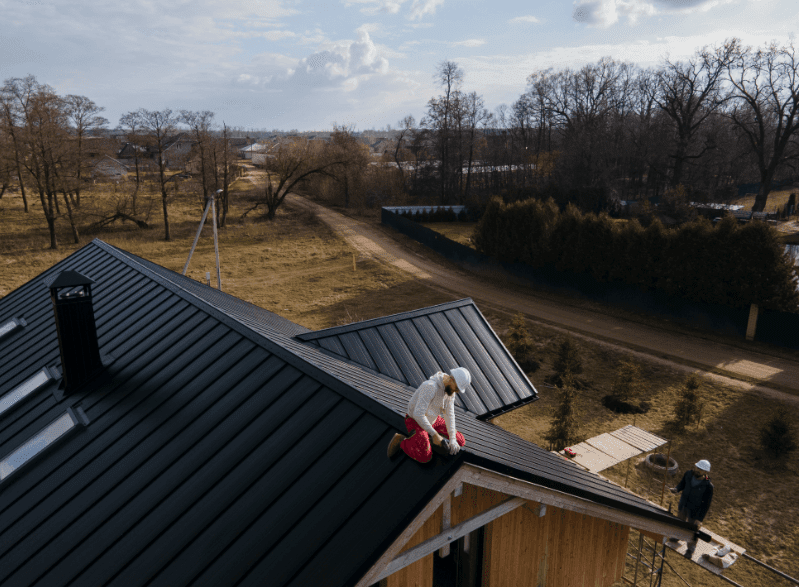
10 Step Roof Replacement Process
Replacing your own roof as a beginner can feel like a big undertaking, but it is not impossible if you treat the DIY roofing job like it is done by pros and focus on following these steps in a calm, planned way; from my experience working around home projects, success comes from slowing down, preparing properly, and respecting the process, because when each step is handled carefully and in order, the work becomes manageable, safer, and far more predictable even for someone doing it the first time.
1: Prepare Your Work Area
I always begin this step by thinking about safety, because real roofing work starts on the ground, so I ensure my harness is secure and the ladder is completely stable, then I inform someone about my plans so they can check on me periodically, next I remove all obstacles around your home’s perimeter to create a clean and safe workspace, and I make sure to choose a day with good weather to avoid interruptions due to rain or wind, because from experience even small weather changes can slow progress and increase risk.
2: Remove Old Roofing Materials
When asking can I replace my own roof, the real test starts when you begin at the peak and work your way down, because this step demands patience and control, especially while using a roofing shovel or pry bar to lift shingles and pull nails smoothly; from my own hands-on experience, taking time to carefully remove old underlayment and flashing while staying cautious helps avoid damage to the roof deck, and this careful mindset separates a confident DIY job from costly mistakes early in the process.
3: Inspect and Repair the Roof Deck
When thinking about whether you can replace your own roof, start by looking closely at the roof deck, because problems here affect everything that comes next. I always begin by checking sections that look damaged or rotten, since these weak spots usually hide bigger issues. Any compromised areas should be replaced with new decking material, making sure the surface feels solid underfoot. Once repairs are done, sweep away all debris and ensure the deck is clean and dry before proceeding, as skipping this step can shorten the life of the entire roof system.
4: Install the Drip Edge
Once the eaves are done, I always install the drip edge along the rakes first, because starting at the sloped edges of the roof makes alignment easier and cleaner, then I move back to the eaves, securing the roofing nails carefully so everything sits tight and straight under the roof, a step that truly prevents water from seeping in places homeowners usually overlook, and from my own hands-on work, taking time with each edge during install saves repairs later and keeps the roof protected where damage most often begins.
5: Lay the Underlayment
Starting from the bottom edge, I always roll out the underlayment horizontally and horizontally across the roof and roof surface, because this installation process depends on proper layering, alignment, and full coverage to work well. I secure it with nails using a reliable fastening method, ensuring there are no wrinkles and no bubbles so the sheet forms a smooth surface. Each section must overlap with proper overlap, making sure each row extends by a few inches to provide extra protection. This step improves water resistance, supports moisture protection, guards against water penetration, and helps with long-term leak prevention, which is critical for roofing safety and overall structural protection.
6: Install Ice and Water Shield
When I decided to work on my own roof, this step taught me how critical protection really is, because installing an ice and water shield is not just about covering surfaces but about smart placement; you lay the shield in valleys, around chimneys, and along the eaves to protect against ice dams and water infiltration, then press it firmly onto the roof deck to ensure it adheres properly, a method I learned through hands-on experience that helped me slow down, work carefully, and understand how small details make a big difference.
7. Install Roofing Shingles
Working with asphalt shingles is usually where DIY roof work feels real, because this is the stage where coverage matters most. I usually start with a starter strip, then lay or laying it along the edge of the roof, nailing it securely. The first row should begin at the bottom, sometimes cutting or cut the tabs on the starter shingle when necessary. From there, you move into subsequent rows, focusing on overlap and overlapping each layer, staggering the seams to prevent leaks. A chalk line helps keep everything straight, and every nail must be placed properly so each shingle stays secured with the appropriate number of nails, according to the manufacturer’s instructions.
Once you understand that flow, it becomes easier to install and installing roofing in a calm, controlled way. Every roof is different, and the method or methods you choose often depends on how you use your tools and follow an appropriate process. From experience, treating this as a structured installation rather than rushed labor gives you a more reliable approach, especially when working alone.
Alternative Shingles (Wood, Metal, etc.)
With alternative shingles like wood, metal, etc, the mindset has to change slightly. You must follow specific guidelines because different materials have unique installation needs. I’ve learned to always refer to the manufacturer’s recommendations, as these best practices protect both the material and your effort, especially when you are deciding if replacing shingles yourself is realistic for your skill level.
8: Install Flashing Properly
When working on roofing, installing flashing is one step where careful detail really matters, and from my own experience, rushing here always leads to leaks later. Start by measuring the correct size and cut the metal to fit around chimneys and vents, then secure it in place using nails and cement, ensuring everything is sealed tightly. In open valleys, always lay the valley flashing along the center, making sure it overlaps the underlayment so water flows safely through the valley without slipping underneath. Taking a few extra minutes here makes a big difference and gives you confidence that your roof will hold up over time.
9: Improving Roof Vent Flow the Right Way
When handling ventilation yourself, start by install steps that protect the roof structure, because good airflow keeps heat and water damage under control; I usually cut a clean slot at the ridge, place the main vent carefully, and fix it down with steady nailing so it sits securely in place, then move along the eaves to add soffit vents that promote a proper air path, help prevent trapped moisture, reduce long-term buildup, and keep the system working smoothly based on what I have seen on real DIY roof jobs.
10: Inspect and Finalize
When I reach the final stage, I always walk the roof carefully to check every detail, because this is where small mistakes are caught early; I look for loose shingles and nails that need securing, then I remove any debris left on the roof or in the surrounding area, making sure to dispose of old shingles and leftover materials responsibly, since a clean surface helps confirm the roof is safe, stable, and properly finished, which is especially important if you decide to replace your own roof without professional help.
What is Required for a Roof Replacement?
Safety is the important part I learned first when working at heights, because it can be dangerous if you are not trained to work safely with the right equipment to avoid falls and other hazards, and when attempting your own roof replacement or replacing and trying to replace by removing the old and adding the new shingles and roofing materials, you must follow clear steps like assessing the condition of the existing surface, repairing any underlying damage, and installing everything properly so the roof withstands harsh elements, which takes specialized skills and real knowledge that professional roofers usually possess, and without proper precautions the risk of serious injury or even death becomes real.
Not Everyone Can Replace Their Own Roof
Roofing is a physically demanding job that requires climbing ladders, lifting heavy materials, and working in awkward positions for extended periods. Unless you’re in peak physical condition and have experience with this type of labor, you may find yourself quickly overwhelmed by the demands of the job. From my own time around roof replacements, what often seem straightforward at first can turn stressful fast, especially when your body is not used to this level of strain.
Even when the work looks simple, others can present unexpected challenges like rotting roof decking, hidden structural issues, or the need for additional ventilation. This is where professional roofers rely on their expertise to identify and address issues effectively, ensuring the new roof is installed correctly and will last for years to come. I have seen many homeowners start confidently, only to realize mid-project why trained hands matter so much in roofing work.
What Happens if Your Roof Fails Prematurely?
When a roof fails early, the majority of problems I have seen come back to poor installation, where the roof was not properly installed using the right roofing materials, and that often leads people to replace prematurely something that should have lasted longer; if you try to replace your own roof without a certified professional, you may unknowingly cause damage to your home and surrounding property, and once that happens insurance and homeowner’s insurance may refuse help because warranties can become warranties void, leaving you fully responsible for ongoing repair, repeated repairs, and the full cost of repairs on damaged roofs, a situation I have personally watched homeowners struggle with after thinking a DIY job would save money.
FAQs
Is it worth it to replace your own roof?
From my experience, overall, the wisest choice is to think carefully before you try repair your own roof, because instead of saving money, many homeowners end up facing much more stress and expense. When attempting DIY work like DIY roof repair, you are dealing with a full roof repair job, not just a small fix, and the risk of damaging your own roof and the rest of your home is very real. I have seen people hire a professional roofer or professional roofer only after they already made mistakes that void the warranty, costing yourself far more than if they had hired help in the first place, which is why doing it alone is rarely the smarter path.
Can I legally replace my own roof?
For many homeowners, it is very common to reroof a house on their own, and in most areas you don’t need a licensed roofer to do it if you follow the rules; instead, you usually go to your city office to get a homeowner permit, which I have seen makes the process clear and legal while still giving homeowners the freedom to manage their own roofing work with confidence.
How do I get a new roof if I can’t afford it?
If you can’t afford a new roof and the roof replacement cost feels too high to afford, start by explore smart financing options like PACE financing, financing through contractors, or financing through lenders, which allow payments over time and better payment flexibility. Many contractors will ask you about flexible payment plans or payment plans, helping get the work done now without delay. You should also check homeowner’s insurance for potential coverage and insurance coverage, or seek government assistance and assistance programs such as USDA or Weatherization Assistance for added financial support. When funds are still tight, temporary repairs, temporary fixes, or short-term repairs can delay full replacement, reduce cost delay, and keep your home protected until better options or government help becomes available.
Do I need approval for a new roof?
As a general rule, if reroofing or roof work covers 50% or more of the roof area of the roof, approval will be required.When elements like insulation or ventilation are being changed, including any modification or alteration, building regulations, roof regulations, and regulations approval apply to meet compliance and legal requirement.
