
Flat roof leaks in heavy rain
A Flat roof facing leaks during heavy rain is a serious problem that should be fixed ASAP to avoid unnecessary damage to other areas of a commercial building or a home property. In my experience, the common causes are often ignored because people are unsure what they should do when it happens. Many owners have noticed recently that a few weak points start worsening when a storm is coming, and that is when you need to know what is causing these Roof Leaks. If you understand whether a roof can be repaired or must be replaced, you can act before repeated storms make the situation worse.
From a practical point of view, learning to recognize the signs early improves the chance of stopping a leaking issue while it is still smaller and slowly adding moisture to the interior. Finding the source is sometimes difficult, as I have seen on more than one job, but this post encourages you to look closely at each problem areas that may cause failure in flat roofing systems. The next step is to think about what might happen if you delay, because even a minor leak can spread faster than expected.
How to Prevent Flat Roof Leaks During Heavy Rain: The Short Answer
9 Common Reasons of Flat Roof Leaks
Plumbing Problems:
Most building owners and even a single owner agree this is one of the important aspects of any property, yet they usually know very little about how the plumbing system and other systems really work. From my experience on a commercial roof, I have often wondered why people wait, thinking an issue will solve itself. What prevents water from coming via these paths is what plumbers use, sometimes used incorrectly, something called vent pipe flashing. This small detail can help prevent flat roof leaks, but only when it is done right, because every time heavy rain comes through, pressure tests the weakest point.
In a few cases, the first cause is flashing installed incorrectly or enduring too much wear and tear, and the leak may not be the primary thing you believe. I have seen ventilation fan duct paths cause damage, and in those reasons it needs to be replaced. Before you blame the plumbing, be sure to reach out to a roofing company to set an appointment so they can walk the entirety of the roof. You may be really surprised that it is actually something else on the list, not what you first thought, and that is why early checks matter.
Natural Damage:
Issues usually begin following a storm, not during calm weather, and this pattern becomes clear when I first noticed recurring roof leaks on a flat roof after repeated storms. In a high winds storm context, strong wind and wind impact during heavy storms often cause natural damage that affects the flat roofing system and the wider building envelope. The most likely reasons are branches, heavy branches, or a tree that has fallen, creating a serious fallen tree risk and direct roof impact that has caused damage. This type of storm impact and storm related damage may not show immediately, but leak timing often aligns with the next heavy rain or rain event, when rainwater entry begins from the true leak origin, leading to gradual leak progression and even roofing failure as this happens time to time.
Inside the property, people wonder if marks on the ceiling or walls have always been there, but spoiler alert, they have not. Ceiling stains, wall stains, faint brown spots, and brown spots, sometimes ever so faint, are a clear sign of water damage, indoor damage, and deeper structural damage caused by an exterior damage cause. From experience, once water, water intrusion, or moisture intrusion starts finding its way through a hidden water pathway, the damage spreads indoors, increasing property damage. Delays such as maintenance delay or repair delay make leak detection harder, which is why an inspection, or better to start with an inspection, is critical. A proper assessment process and roof assessment context helps assess overall roof condition and condition accuracy. It is best to hire a commercial flat roof company, because commercial roofing professionals with professional inspection experience are trained to spot signs of small damage and complete accurate damage identification before the storm aftermath worsens the situation.
Corrosion:
In the last decade, flat metal roofs and metal roofs have become popular across commercial properties and multi-family properties, and there is a good reason for that, as studies have shown their extremely long lifespan, often able to last anywhere between 40 and 70 years with proper roof maintenance; however, in my experience, many property owners get these systems installed and then move them to the bottom of the priority list, which is where problems start, because without frequent checkups, a metal roof can develop corrosion, and this corrosion is a major cause of a flat roof leak during heavy rain, often occurring around fasteners or in the middle of roof areas where flying debris has led to significant damage, a situation that can be avoided by scheduling a professional checkup with a roofing company twice a year, ideally once in spring and once in fall.
Skylights:
In the industry, skylights are a growing craze because they offer a tremendous opportunity to fill a property with natural lighting, bringing visible benefits to modern flat roofs, but from my on-site experience, these systems also have hidden faults when they are not installed properly. During heavy rainstorms, poor detailing can be allowing water to seep in, where rain and trapped water start causing structural issues and tremendous water damage across the same property, turning what should be a design upgrade into a long-term leak risk if installation quality is ignored.
Old Shingles:
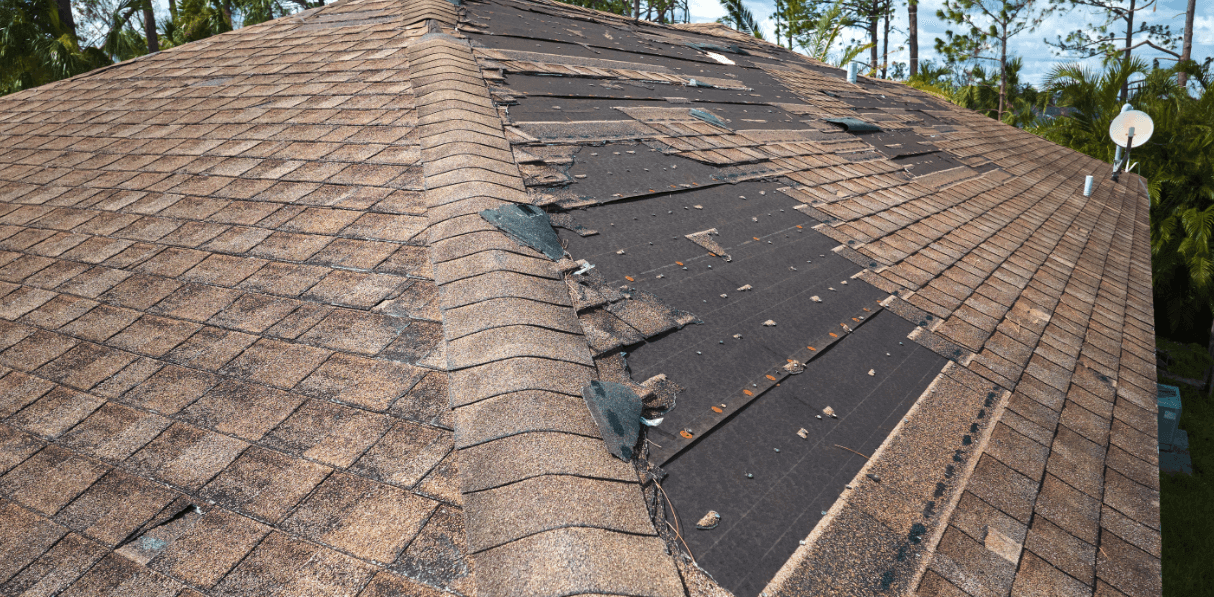
On a flat roof, especially one made with asphalt shingles, leaks in heavy rain are most likely not sudden but the reason is slow aging, where shingle layers become worn or torn off over a long time, and although such roofs may last and seem cost-effective compared to metal systems, I have seen they still suffer significant damage without frequent roofing checkups; during routine service, inspectors often alert owners to poor quality areas, and when this happens, smart plans to replace old sections can save thousands of dollars by limiting water intrusion, helping prevent harm to indoor equipment and personal belongings.
Cracked or Broken Seams:
From my on-site experience, I have seen how Flat and flat Roof and roofing systems fail during storms when weld and welded seams on membrane products such as TPO, EPDM, PVC, Bitumen, Mod, and Mod Bit are installed in long sections from a roll using heat and adhesives but later separate due to poor installation, wind causing the surface to lift, bellow, and flex; over old age, hail strikes can split the membrane, creating a gap where water can leak through, making weld seams a common place for leaks, and whatever the cause of separation, this example of a Broken Seam on a Bit flat roof shows how form, product, and installation choices directly affect durability.
Poor or Clogged Drainage:
When a flat roof on roofs sits next to trees or a tree, the chances are high that you have seen leaves and debris build up over time, and in my experience this slow buildup can clog or become clogged inside drains or a single drain, especially when loose construction materials get wrapped around the openings, creating a hidden problem where water has nowhere to go, sit on top of the roofing, and when this happens the water can pool during heavy rain, which cause and causes leaks that are often blamed on the membrane itself rather than poor drainage design or maintenance.
Flat Roof Hail Damage:
On a flat roof, a single hail strike or repeated strikes during a storm can quietly stress the membrane, leading to a small tear that may not show right away, yet over months or years this damage can develop and cause leaks once heavy rains begin, a pattern I have personally seen where the surface looks stable but water slowly works through weak points; this is why it is important for the roof to be inspected by a professional roofer, especially after a larger hail event measuring 1″, because early attention often prevents hidden moisture paths from spreading across the system.
Damage From Service Personnel:
From direct site experience, I have seen how maintenance personnel gaining access to a flat roof for repair or to replace equipment can unintentionally cause serious damage during routine service, especially when heavy rain exposes weak points in the membrane; simple actions like dropping tools or dragging supplies across the surface during HVAC work can accelerate water entry, which is why it is critical to hire trained crews and always make sure they take proper care and not treat the roof as a staging area under pressure.
FAQs
Why is my flat roof leaking after heavy rain?
After years of inspecting and repairing flat roofs, I have seen that most leaks after heavy rain are linked to standing water and ponding, where water cannot drain away because of a minimal slope. On flat roofs, this causes water to accumulate into puddles that sit over time and create constant pressure on the roofing membrane. This pressure slowly leads to blisters and cracks, which are among the leading causes of flat roof leaks during storms. When these weak points are ignored, rainwater can force its way through, resulting in full penetration of the roof system, something I commonly find when leaks appear only after heavy rainfall.
How much does it cost to repair a leaking flat roof?
When people ask about cost, my experience is that most expect to spend around £50 to £150 on materials for small repairs, such as replacing a few tiles or fixing flashing, but this average figure changes quickly during heavy rain damage because water spreads across flat roofs and reveals deeper problems; for larger jobs like patching areas near a chimney or valley, contractors might use materials worth up to £400, and I have seen cases where repeated fixing pushed costs back toward £150 again when extra materials were needed to stabilize weakened sections.
What is the best thing for a leaking flat roof?
When dealing with a leaking concrete flat roof during heavy rain, the best thing I have found in practice is to start with a proper fix that prepares the roof correctly rather than rushing repairs. First, always clean the surface so repairs bond well, then apply a thin layer of bitumen primer along with bitumen-based waterproofing paint, as this approach often seals minor faults and finishes the job effectively. However, when water keeps coming through, it usually means there is a deeper crack, and this doesn’t respond well to coatings alone. In such cases, I advise to get a professional to patch the damaged area using a piece of torch-on felt, which provides a stronger seal and lasts longer instead of repeated surface treatments.
Can you apply roof sealant in the rain?
When dealing with flat roof leaks in heavy rain, this question often comes up, and my practical answer is that while sealant can be applied, it is strongly discouraged because moisture prevents the chemical reaction needed for proper curing and long-term adhesion. From hands-on experience, even the highest-quality sealant struggles on a wet or dirty roof, where rain causes roof sealants to rarely mix well with the surface, leading them to peel, bubble, or fail prematurely. This is why the safest approach for a leaking roof is to wait until conditions are dry, as repeated applied attempts in rain only repeat the same reaction, curing, and adhesion problems caused by moisture, wet debris, and surface contamination, making sealant performance unreliable and short-lived despite using highest-quality materials.
