
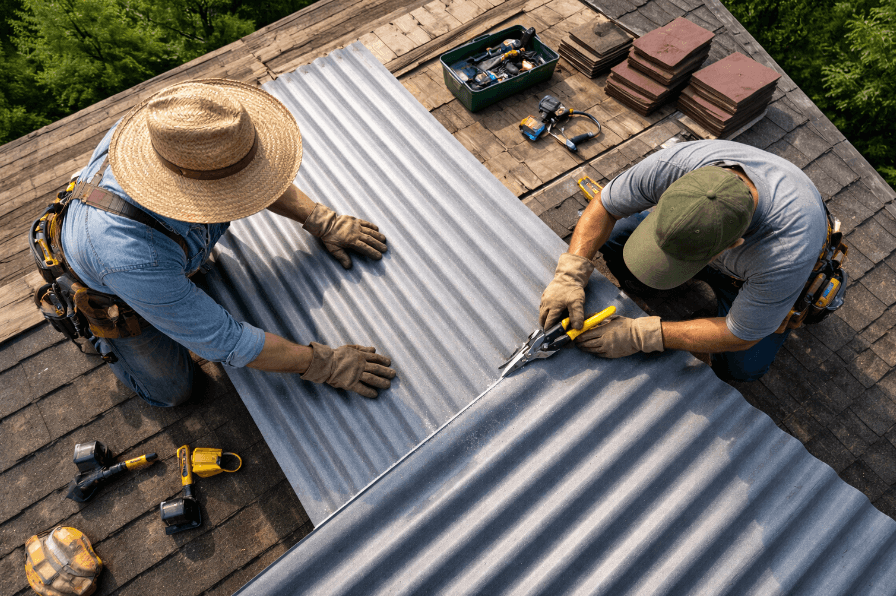
Cutting sheet metal roofing by hand is a skill that every DIY enthusiast or small contractor may need to master. Whether you’re working on a home renovation, roofing repairs, or even a small-scale construction project, knowing how to properly cut metal roofing sheets is a valuable skill. The precision and control you get from doing it yourself can save money, reduce waste, and provide a more accurate fit for your roofing needs.
This guide will walk you through everything you need to know about cutting sheet metal roofing by hand, from the tools you’ll need to the proper safety precautions. We’ll also cover common mistakes to avoid, expert tips, and when you might want to call a professional for help.
What You Need to Cut Sheet Metal Roofing by Hand
Essential Tools for Cutting Sheet Metal Roofing
Before you start cutting, make sure you have the right tools on hand. Here’s what you’ll need:
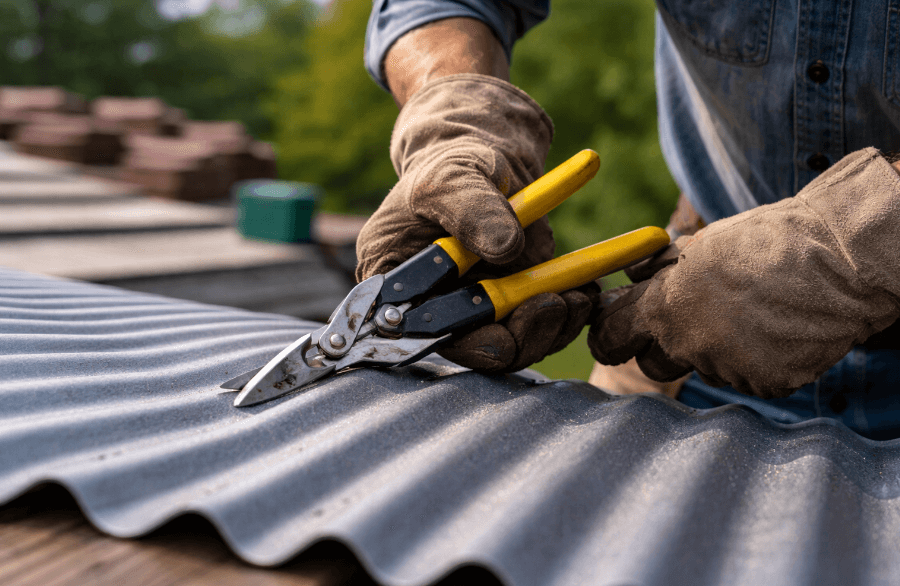
- Tin Snips (Aviation Snips): These are the primary tools for cutting sheet metal by hand. They come in three varieties:
- Straight-cut snips: For cutting straight lines.
- Left-cut snips: Ideal for cutting leftward curves.
- Right-cut snips: For cutting rightward curves.
- Measuring Tape: To accurately measure and mark the metal sheet before cutting.
- Chalk Line: Helps to draw straight lines on the metal for a precise cut.
- Hand Seamer: For bending and straightening metal after cutting.
- Metal File: To smooth out any sharp edges after cutting the metal.
Safety Gear and Precautions
Cutting sheet metal can expose you to sharp edges and flying metal shards. Always prioritize safety by wearing:
- Protective gloves: To prevent cuts from sharp metal edges.
- Safety glasses: To protect your eyes from metal shards.
- Long sleeve shirt and pants: To shield your skin from flying debris and sharp edges.
Step-by-Step Guide: How to Cut Sheet Metal Roofing by Hand
1. Preparation: Set Up Your Workspace
Clear the work area of any clutter. You’ll need a stable surface to work on either a sturdy workbench or a pair of sawhorses will do. Make sure the metal sheet is flat and secure before you start cutting.
2. Measure and Mark Your Cutting Line
Using a measuring tape, carefully measure the area where you’ll make the cut. Mark your cutting line with a chalk line or a pencil. Ensure that the line is straight and aligned with your measurements to avoid mistakes.
3. Select the Right Snips
- Straight Cuts: Use straight-cut snips to follow your marked line if you are cutting a straight edge.
- Curved Cuts: For curves, use the left-cut or right-cut snips, depending on the direction of the curve.
4. Start Cutting
Position the snips at the edge of the metal sheet. For straight cuts, use steady, even pressure while following the marked line. If you’re cutting a curve, guide the snips carefully along the curve, ensuring each cut is smooth. Take your time rushing can lead to mistakes.
5. Finish Up and Smooth the Edges
Once you’ve made the cuts, use a metal file to smooth any rough or sharp edges. This is important to avoid injury and give your project a clean, finished look.
Common Mistakes to Avoid
Cutting sheet metal roofing by hand isn’t difficult, but it’s easy to make mistakes if you’re not careful. Here are some common mistakes to avoid:
- Using Dull Tools: Dull snips can make cutting harder and less precise. Always ensure your tools are sharp for clean cuts.
- Not Measuring Accurately: Take the time to double-check your measurements before you cut. A small mistake in measurement can lead to a poor fit and wasted material.
- Skipping Safety Gear: Never underestimate the importance of safety. Wear gloves and protective glasses at all times.
- Cutting Too Quickly: Haste can lead to mistakes. Take your time to make precise, clean cuts.
When to Call a Professional for Sheet Metal Cutting
While cutting sheet metal by hand is great for small projects, there are times when you may want to call in a professional. Here’s when you might need help:
- Large-Scale Projects: If you’re working on a large roofing project, it’s more efficient and safer to have a professional handle the cutting.
- Complex Cuts: If your roof design involves intricate cuts, such as curves or angles, it might be best to call a professional.
- Lack of Tools: If you don’t have the proper tools or if they’re not sharp enough, a professional will have the right equipment to get the job done quickly and efficiently.
How Much Does It Cost to Cut Sheet Metal Roofing by Hand?
If you’re doing the job yourself, the cost of cutting sheet metal roofing is minimal. You’ll need to invest in some basic tools, such as tin snips and safety gear. On average, you can expect to pay:
- Tin Snips: $15–$50, depending on the quality.
- Safety Gear: $20–$40 for gloves, glasses, and protective clothing.
If you decide to hire a professional, the cost can range between $75 and $150 per hour, depending on the complexity of the job and your location.
Local Sheet Metal Cutting Services
If you’re in need of professional help, there are many local roofing contractors and home improvement specialists who can assist with sheet metal cutting. Some options to explore include:
- Sheet Metal Contractors Near Me: Search for experienced contractors in your area who offer sheet metal cutting services.
- Roofing Contractors: Many roofing companies provide metal roofing installation and cutting services.
The cost for professional services will vary based on your location, the complexity of the cuts, and the size of the job.
Alternative Methods for Cutting Sheet Metal Roofing
If cutting by hand doesn’t seem like the right option for your project, there are alternative methods available:
- Power Shears: Power shears provide a faster and more efficient way to cut metal roofing, especially for thicker materials.
- Circular Saws: With a metal-cutting blade, a circular saw can quickly handle large sheets of metal roofing.
- Jigsaw: Jigsaws are useful for cutting curves or intricate shapes in sheet metal.
Each of these tools requires more investment but can be helpful for larger projects or when speed is a priority.
Unique Insight: The Role of Precision in Roofing
When it comes to roofing, precision is critical. An accurate cut ensures the metal sheets fit snugly, preventing gaps that might lead to leaks. This is especially important in DIY projects, where errors in cutting can lead to higher costs and wasted materials. By cutting sheet metal roofing by hand, you gain control over the process, enabling you to fine-tune each cut and create a better-fitting roof. This level of detail is essential, especially in regions with harsh weather, where roof integrity is paramount.
Expert Authority: Safety and Accuracy are Key to Success
As an expert in the field of home improvement, it’s important to emphasize that safety and accuracy should always come first. In my years of experience, I’ve seen many DIYers make the mistake of rushing through the cutting process, which often results in uneven cuts or personal injury. Always take the time to measure and cut carefully. Additionally, using the correct tools for the job can save you time and frustration in the long run. In my opinion, the most critical factor is ensuring your tools are sharp and maintained. A dull set of snips is not only inefficient but could also make the work dangerous.
FAQs
What is the best tool for cutting sheet metal roofing by hand?
Tin snips are the most common hand tool for cutting sheet metal roofing. For straight cuts, use straight-cut snips, and for curves, use left or right-cut snips.
Can I cut metal roofing with scissors?
No, regular scissors are not strong enough to cut through metal roofing. You need specialized tin snips designed for metal cutting.
How do you smooth edges after cutting sheet metal?
Use a metal file to smooth rough or sharp edges after making your cuts. This ensures a clean finish and prevents injury.
How much does it cost to cut sheet metal roofing by hand?
DIY costs typically range from $15 to $50 for snips, plus safety gear. Professional services may cost between $75 and $150 per hour.
Is it better to cut metal roofing by hand or with power tools?
Cutting by hand offers more control and is ideal for smaller jobs, while power tools are faster and more efficient for larger projects.
What safety precautions should I take when cutting sheet metal roofing?
Always wear gloves, safety glasses, and long sleeves to protect against sharp edges and flying debris.
Can I cut curved lines in metal roofing by hand?
Yes, using left- or right-cut snips allows you to make precise curves in sheet metal.
