
If you’re considering a new roof, chances are you’ve come across standing seam metal roofs. With their sleek appearance, durability, and energy-efficient benefits, these roofs are increasingly popular among homeowners and business owners alike. But what makes standing seam metal roofing so special, and is it the right choice for your building? In this comprehensive guide, we will cover everything you need to know: from installation and maintenance to costs, benefits, and how they compare to other roofing systems. Let’s dive in!
What is a Standing Seam Metal Roof?
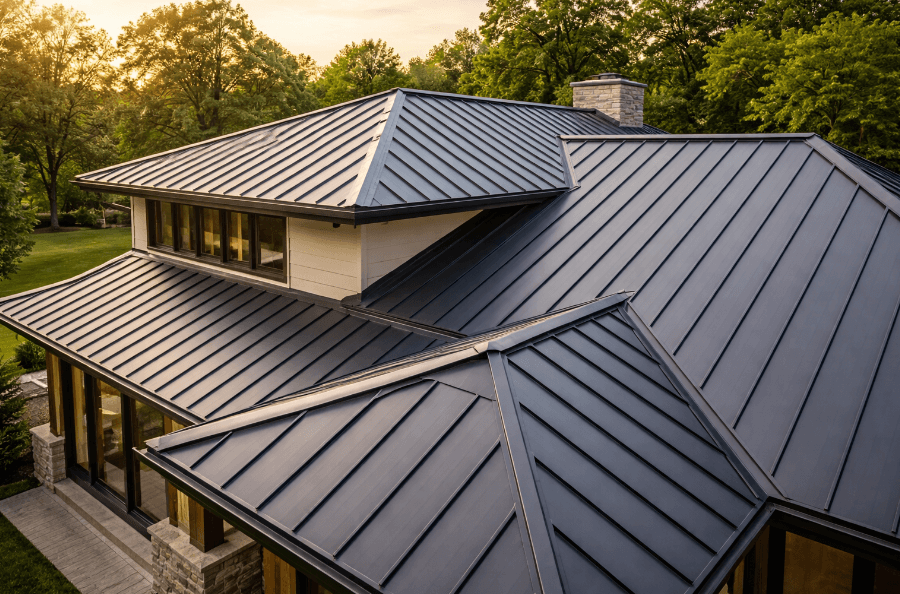
A standing seam metal roof is a type of roofing system made up of interlocking vertical panels with raised seams. These seams stand higher than the panels themselves, forming a barrier that helps prevent water infiltration. Standing seam roofs are usually constructed from durable metals like steel, aluminum, or copper, and they are designed to be sleek and modern.
Unlike traditional roofing options, such as shingles or tiles, standing seam metal roofs are fastened with concealed clips, which allows for thermal expansion and contraction, preventing damage to the roof over time. These roofs are known for their clean lines and seamless look, making them a popular choice for modern homes and commercial buildings.
Why Choose a Standing Seam Metal Roof?
1. Durability and Longevity
One of the most significant advantages of standing seam metal roofs is their durability. Unlike asphalt shingles, which typically need to be replaced every 15 to 20 years, standing seam metal roofs can last anywhere from 40 to 70 years with proper maintenance. The materials used are resistant to extreme weather conditions, including high winds, hail, and heavy snowfall, making them ideal for areas with harsh climates.
2. Energy Efficiency
Standing seam metal roofs reflect solar heat rather than absorbing it. This energy-efficient characteristic helps keep your home or building cooler in the summer, reducing the need for air conditioning and lowering your energy bills. As a result, they are especially valuable in warm climates or regions with high electricity costs.
3. Low Maintenance
Once installed, standing seam metal roofs require minimal maintenance compared to other roofing types. They don’t rot, warp, or grow mold, and their interlocking design prevents leaks and water damage. Regular inspections and cleaning, such as removing debris from the roof, are typically all that’s needed to keep your roof in top condition.
4. Aesthetic Appeal
Standing seam roofs are available in a variety of materials and finishes, including steel, aluminum, and copper. This allows for a high level of customization, making it easier to match the roof to your building’s architectural style. Whether you prefer a matte, glossy, or textured finish, a standing seam roof can add a modern, sophisticated look to any property.
How Does a Standing Seam Metal Roof Work?
Standing seam roofs are made up of individual metal panels that are fastened to the roof deck using concealed clips and fasteners. These panels are connected at the seams, which stand higher than the panels themselves. The raised seams form a protective barrier against water, which prevents leaks and improves the roof’s ability to shed rainwater and snow.
The panels are also designed to expand and contract with temperature changes, thanks to the concealed fasteners, which reduce the risk of cracking or warping over time. This feature makes standing seam metal roofs more stable and long-lasting than other roof types, which may be prone to damage from temperature fluctuations.
Types of Standing Seam Metal Roofs
1. Snap-Lock Panels
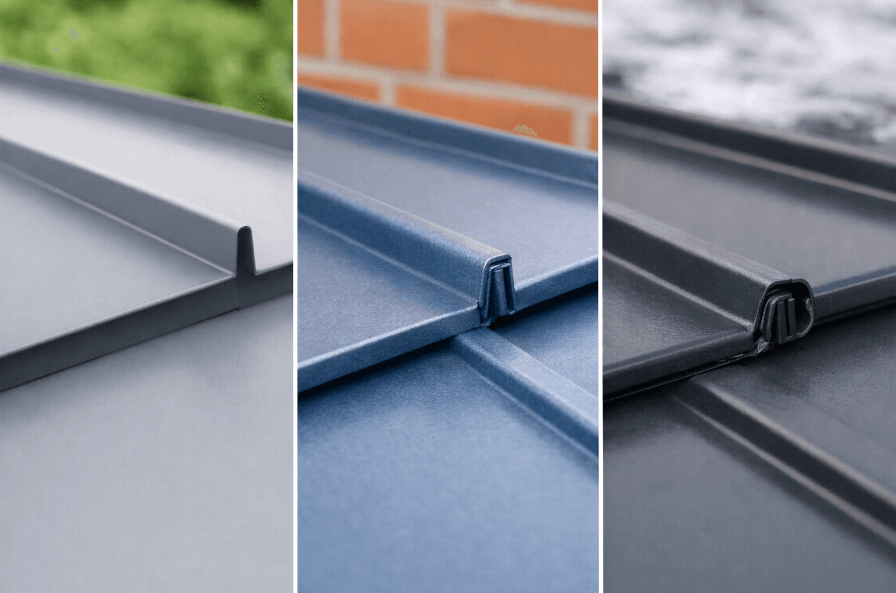
Snap-lock panels are one of the most common types of standing seam roofs. These panels are “snapped” together without the need for mechanical fastening tools. The design makes installation faster and easier, but it may not be as durable in extreme weather conditions.
2. Mechanical Lock Panels
Mechanical lock panels are secured by mechanically locking the seams together using specialized tools. This provides a more secure and durable roof, especially in regions prone to high winds or other extreme weather conditions.
3. Double Lock Panels
Double lock panels are a variation of the mechanical lock panels. They offer an additional layer of protection against leaks and are typically used in areas with extremely harsh climates. The double lock provides a tight seal that enhances water resistance and durability.
Standing Seam Metal Roof Installation
Installing a standing seam metal roof requires precision and experience. While DIY installation is possible, it is generally recommended to hire a professional contractor to ensure the roof is installed correctly and will last for decades.
Here is a general overview of the installation process:
- Preparation: Start by preparing the roof deck and installing a protective underlayment to prevent moisture buildup.
- Installing Starter Panels: The first panel is placed at the bottom of the roof. The edges of the panels should be properly aligned to ensure the roof’s structural integrity.
- Panel Placement: Panels are laid one by one, starting from the bottom and moving upward. Each panel is fastened with concealed clips, ensuring they remain secure.
- Sealing the Seams: Once the panels are in place, the seams are locked and sealed with flashing to create a waterproof barrier.
- Final Inspection: After installation, a final inspection should be conducted to check for any gaps or weak points that may need attention.
Standing Seam Metal Roof Costs
The cost of installing a standing seam metal roof can vary based on several factors, including:
- Material Choice: Steel is generally the most affordable option, while copper and aluminum can be more expensive.
- Roof Size: The larger the roof, the higher the cost. Costs are typically calculated by the square foot.
- Labor and Installation: Professional installation costs can vary by region, but it’s generally recommended to hire an experienced roofing contractor to ensure a quality installation.
On average, you can expect to pay $7 to $12 per square foot for materials and installation. This means a 2,000-square-foot roof could cost anywhere from $14,000 to $24,000, depending on the material and the complexity of the installation.
Pros and Cons of Standing Seam Metal Roofs
Pros:
- Long Lifespan: Can last up to 70 years with minimal maintenance.
- Energy Efficiency: Reflects solar heat, helping reduce cooling costs.
- Low Maintenance: Requires fewer repairs compared to traditional roofing.
- Sleek Appearance: Modern, clean lines that enhance curb appeal.
Cons:
- Higher Initial Cost: The upfront cost is more expensive than asphalt shingles or tiles.
- Installation Complexity: Installation requires professional skills, especially for mechanical lock panels.
- Noise: Can be noisier than other roof types, especially during heavy rain or hail.
How to Maintain a Standing Seam Metal Roof
Maintaining a standing seam metal roof is relatively easy, thanks to its durable and weather-resistant materials. However, regular maintenance is still essential to ensure the roof remains in good condition:
- Regular Inspections: Check the roof at least twice a year for any signs of wear, damage, or debris buildup.
- Clean Gutters: Ensure gutters and downspouts are free from leaves and debris to allow water to flow freely off the roof.
- Touch-Up Paint: If your roof begins to show signs of wear, a fresh coat of paint can restore its appearance and improve its longevity.
FAQs
1. How long does a standing seam metal roof last?
A standing seam metal roof can last between 40 and 70 years, depending on the material and how well it is maintained.
2. What are the advantages of standing seam metal roofing?
Standing seam metal roofing offers durability, energy efficiency, and low maintenance. It also provides a sleek, modern look and is resistant to extreme weather conditions.
3. Is a standing seam metal roof worth the investment?
Yes, while standing seam metal roofs come with a higher initial cost, their long lifespan, minimal maintenance, and energy-saving benefits make them a worthwhile investment in the long run.
4. How much does it cost to install a standing seam metal roof?
The average cost for a standing seam metal roof is between $7 and $12 per square foot. Prices may vary based on material, roof size, and region.
5. What are the disadvantages of standing seam metal roofing?
The primary drawbacks are the higher upfront cost and the complexity of installation. It is also noisier during rainstorms unless properly insulated.
6. Can standing seam metal roofs be installed in cold climates?
Yes, standing seam metal roofs are excellent for cold climates, as they shed snow and ice more effectively than traditional roofing systems.
7. Are standing seam metal roofs energy-efficient?
Yes, standing seam metal roofs are energy-efficient, as they reflect solar heat, helping reduce cooling costs in warmer climates.
