
Are Metal Roofs Noisy in Rain?
When people ask about metal roofs and metal roofing, the first thing that usually comes up is the noise factor during rain. I’ve spoken with many homeowners, and their homeowners considerations often include rainfall sound, rain impact, and overall rain noise perception. From my experience, this concern can strongly affect decision making, especially when investing tens of thousands of dollars into a roof. Some even fear buyer’s remorse if the sound, sound levels, or noise levels turn out worse than expected. In reality, modern metal roofing products are designed for noise control and quiet performance, delivering similar noise levels to other materials. Understanding the roofing decision process means looking at durability, durability investment, and metal roof lifespan, which often reaches 30 years to 50 years. After 30 years service working alongside companies like Bill Ragan Roofing, I’ve learned that sharing transparent information and unbiased information helps answer these frequently asked questions clearly and honestly.
Why Uncoated Metal Roofs Are Louder in Rain-The Answer
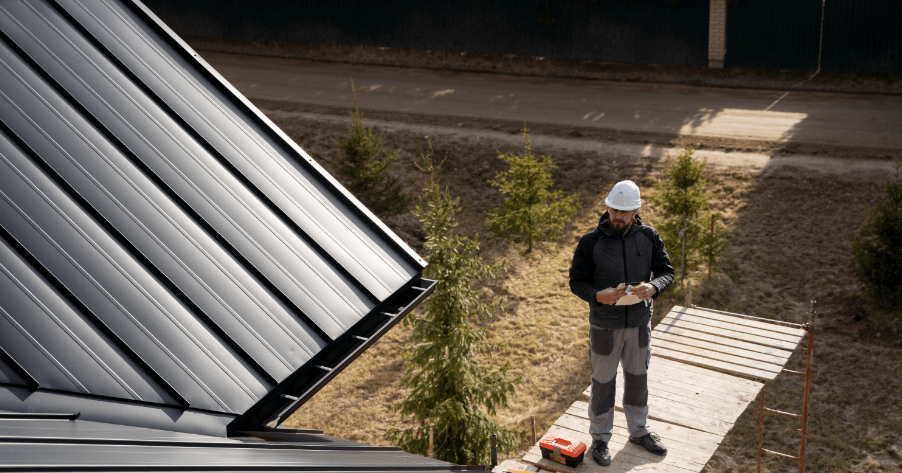
The key is knowing that metal roofing is a broad term with many subcategories. Comparing aluminum foil or an uncoated aluminum sheet to gold in fine jewelry shows how material differences impact appearance, quality, performance, and performance variation. A roof on a barn or shed often sounds louder than roofs on residential homes or commercial properties because of residential standards and commercial standards. Options like stone-coated metal roofing use sound absorbing stone granules and intricate textures to improve roofing performance. Proper roof structure, building structure, and roof design focus on noise reduction through a complete roof assembly, meeting construction standards and construction quality with a solid roof deck, insulation, and underlayment that create a strong dampening effect. In any roofing material comparison, the right roofing products, correct installation context, and suitable property type all support better housing comfort, proving that metal roofs are not just durable, but thoughtfully engineered for sound control.
What Makes a Metal Roof Quiet During Rain
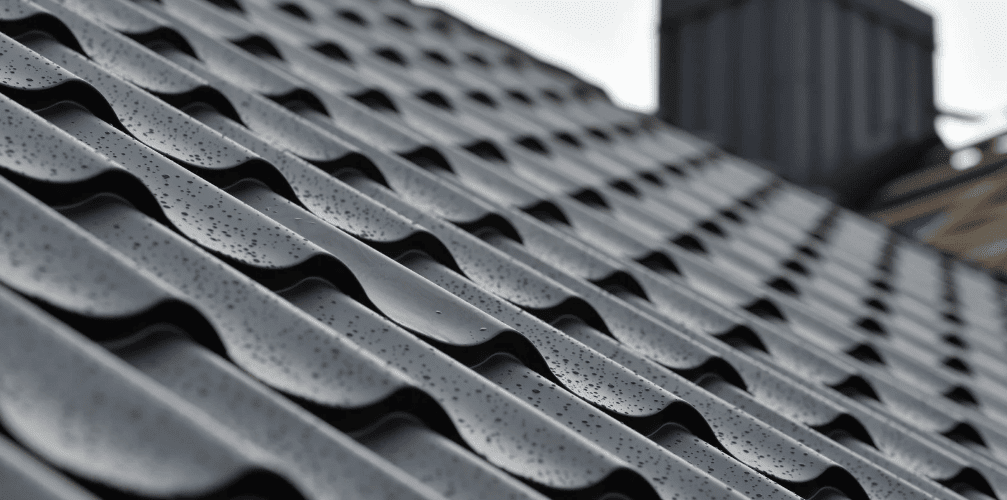
From my experience working around roofing projects, preventing sounds from hitting hard flat surfaces is the key to noise reduction during rain. An uncoated sheet of metal with a smooth surface acts like a drum, and this is the way rain can shorten comfort by creating prolonged sound reflection, commonly known as reverberation. It feels like an echo, where instead of hearing the sound again a split second later, it lasts a bit longer. Imagine a big empty room, clapping your hands, you hear the clap bouncing off the walls and floor, and it keep echoing for a moment before it fades away.
When a roof is made like a barn or shed, rain can bounce much longer. On the other hand, a coated and textured option such as stone-coated metal roofing helps absorb sound. Simply put, this setup makes rain less louder and less lasting because the roof reflects less sound and focuses on absorbing it. A thicker coating with more irregular texture is effective at disrupting and dampening sound waves, which is exactly what you want during a heavy downpour.
How loud is a metal roof in the rain compared to asphalt shingles?
Decibels are the unit we use to measure and describe sound and sounds at different levels. The lowest decibel dBA level is 0, which means total silence. A whisper is approximately 30, steady rainfall or rain is about 46 to 50, a normal conversation sits near 60, and anything above 86 can cause hearing damage. From years of working on roofs, I’ve learned that numbers matter more than fear when judging noise.
When asphalt shingles and a metal roof are compared, the difference is small. Research by the Acoustic Group at the University of Lulea, Sweden, shows asphalt roofs are around 46, while metal roofs are about 52 when installed over a complete assembly. If a metal roof is placed on open framing, like a barn or shed, it can reach around 61. Still, most humans can’t hear a difference less than 8, so the sound change stays undetectable, even though the roof type and setup affect how rain feels indoors.
The stone-coated secret for a quiet metal roof.
From my hands-on roofing experience, the real change in metal noise during rain often starts with a stone-coated design. This type of roof uses several layers with stone granules, creating a thicker and more irregular texture. That uneven surface helps disrupt sound at first contact, which means the impact of rain feels softer and more controlled instead of sharp and echoing.
What I have seen on job sites is how these natural materials act as an additional barrier. They absorb and dampen vibration, so the noise is significantly reduced. Besides comfort, this system is also effective at fighting corrosion, improving resistance, and increasing overall durability. The hidden benefit is that quiet performance comes without sacrificing protection.
There is also a structural reason this works so well. The added strength and tensile support from the coating improve long-term performance while keeping rain sound under control. In real-world installs, I have noticed that this balance of roofing science and design is what makes a stone-coated metal system feel calm indoors, even during heavy storms.
Do metal roofs make noise when it rains?
Yes, metal roofs and a metal roof do create noise when it rains, but the sound changes with weather. In light rain, the sounds are often described as sounding like soft tapping, gentle popping, or leaves rustling, which many homeowners find soothing. A normal rain shower feels like little beads hitting a hard surface throughout the home, while heavy rain can bring a continuous echo similar to a muffled drum roll.
The makeup of your house affects how loud it feels. An insulated attic space above the ceiling dampens the noise a bit, and in a two-story home, the bottom floor obviously won’t be as loud as the upstairs. With both, the noise dulled quite a bit. No matter what, a metal roof will always make some noise when it rains, so you need to decide if it’s a deal breaker or something you can tolerate.
What can you do about a metal roof making noise when it rains?
From my hands-on experience working around roofing systems, I’ve learned that metal, roof, noise, and rain often worry homeowners more than they should. When rain hits metal panels, the sound can seem loud, but the real issue is how vibration travels. Using thicker, denser materials, proper roof decking, and good installation makes a huge difference. I’ve seen that when a roof is installed over solid decking with proper insulation, the sound becomes more muted and easier to live with, even during a heavy downpour.
Another smart approach is improving how the roof handles sound rather than trying to stop it completely. Adding insulation boards, a quality underlayment, or choosing steel or copper instead of lighter aluminum helps absorb sound and reduce vibration. In real projects, focusing on energy efficiency, condensation prevention, and sound absorption together gives better results than chasing silence alone. The goal isn’t to eliminate rain sounds, but to dampen noise so the roof feels solid, calm, and well-built when storms roll in.
How much louder is a metal roof than other roofing materials?
From my own hearing on job sites and in my home, you clearly hear rain when it rains, because a metal roof and metal roofing makes noise every time, especially during heavy rainfall, and the sound of rain travels faster through metal than most roofing material you might choose; for example, when comparing other roofs and other roof types, other roofing materials like asphalt, asphalt roof, asphalt shingles, synthetic, and cedar shake absorb sound better, while a metal roof is at least 50 decibels louder and often always louder than the most common options, and although adding insulation boards can cut the noise by half, it is not enough to fully dull the impact, so at the end of the day, if this is a big concern, a metal roof may not be the right roof for your home based on the type of roofing you want to live under.
Are metal roofs noisy in the rain?
Yes, metal roofs can make noise in rain, but it depends on the rainfall: light rain sounds soft, like beads on a hard surface, while heavy rain creates louder, drum-like noise from impact and vibration that may echo through the home, though most people get used to it over time.
What are the disadvantages of a metal roof?
Metal roofs can have drawbacks that appear over time, including a high upfront cost, possible noise in rain or hail (reduced with good insulation), movement from thermal expansion that can loosen fasteners, dents from impacts, corrosion or rust with poor paint quality, difficult repairs due to color matching, complex installation, and an aesthetic some find too industrial.
Do metal roofs make noise?
From my own experience working with metal roofing, there is a common misconception that metal roofs make a lot of noise during rain or hail storms, but this is not always true. In certain circumstances, such as with older types or poorly installed systems, sound can be more noticeable, yet most modern profiles are carefully designed to be no louder than any other roof type. I have seen how proper installation changes how rain behaves on the surface, and once correctly set, all materials perform differently, proving that not every roof reacts the same way under changing weather.
Why do insurance companies not like metal roofs?
From my own experience working with metal roofs, the noise question often comes up first, but right after that, many homeowners are surprised by how insurance companies respond. Even though metal roofs are durable and long-lasting compared to traditional roofing materials, they are often seen as expensive to repair or replace, which affects how insurers view them during risk assessment. A metal roof systems setup can raise roofing costs, maintenance costs, and the roof replacement cost or roof repair cost, especially on residential properties, leading insurers to see a greater risk and charge higher premiums. This impacts homeowner insurance, insurance premiums, coverage pricing, and premium rates for insured homes, even though the long-term value, roofing durability, and strength of the structural materials may support a smarter roofing investment when you look at cost comparison, financial impact, and the wider housing market across different homes.
