
How Long Does Slate Roofing Last
When homeowners start contemplating a new roof, the question of how long slate roofing will last often starts by knowing the roofing material itself. Slate is a durable, timeless material that has been used for centuries, especially overseas, and while it is less common in the United States, it remains popular for high-end and historic homes. Its head-turning look, strong curb appeal, and natural beauty give it lasting aesthetic appeal, but the real value lies in its lifespan and longevity, which often span many years. As a homeowner, making an informed decision means looking beyond looks and appeal and understanding why slate is often a favored choice and even the perfect choice for the right home.
From my 30 years of experience and hands-on knowledge, I have seen how slate roofing experts stay focused on helping homeowners make the right decision by comparing slate with other materials like asphalt shingles, metal, tiles, and wood. The decision of choosing slate depends on many factors that influence durability, long-term longevity, and overall needs. A clear comparison of slate versus other roofing options shows why this roofing material stands apart in the industry, even when people are cautious because of the dark side of poor installation or lack of local support. A reliable guide from a local professional helps determine whether slate is the right roof for a homeowner seeking long-term value rather than short-term savings.
Is Slate Roofing Really Worth It?
What Is a Slate Roof?
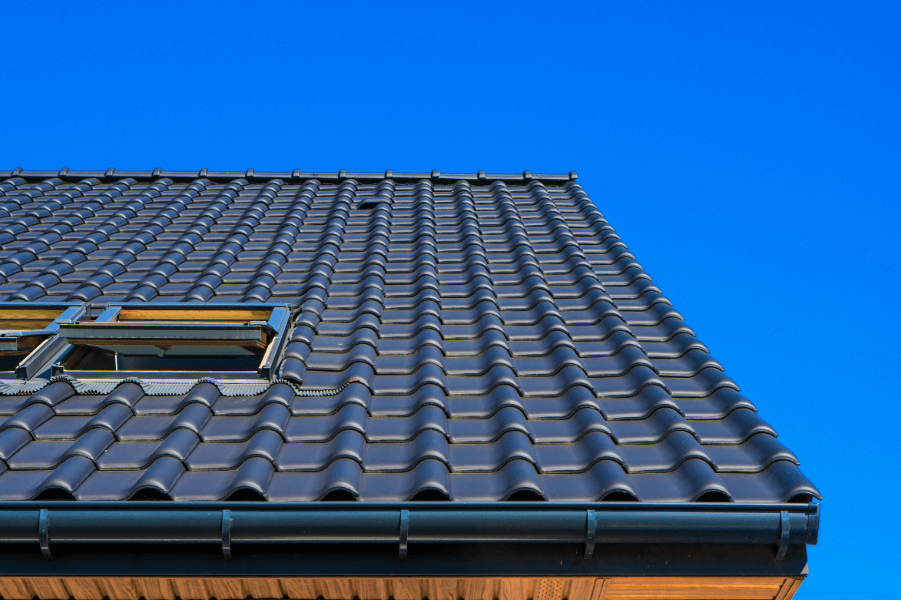
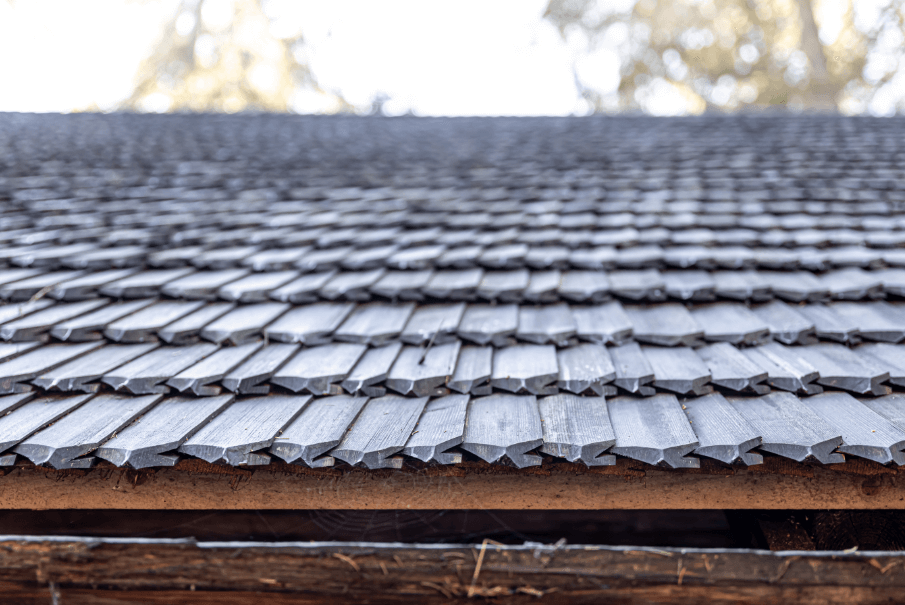
A premium slate roof system is primarily built from naturally mined tiles, accessories, and other roofing materials, and it is considered one of the highest curb appeals among top roofs, which explains why others mimic the look seen in many examples of residential homes. The tiles themselves are fragile and easily break if not handled correctly, but once put together, the slate roofing becomes very durable, even when broken tiles are replaced, which is why the roof often lasts a respectable lifespan compared to other roofing options.
The only downside is that a slate roof is incredibly heavy, so a home must be built or framed to handle the weight and prevent walls or the roof from caving in. If an existing home can’t support it, it must be retrofitted with more structural support, completed and approved by an engineer before a roofer can begin installing the roof. Slate is a fine-grained metamorphic rock, derived from an original shale-type sedimentary rock, composed of clay or volcanic ash, known for its ability to split into thin slabs, making it an ideal material whose natural beauty, unique texture, add a touch of elegance to any home.
Types of Slate Roofing
Natural slate: Natural slate is extracted directly from quarries and offers unparalleled durability and aesthetics. Each piece is unique, contributing to a functional, visually stunning roof. Because it is true stone, it provides the longest service life and is commonly chosen for long-term roofing performance.
Synthetic slate: Synthetic slate is made from a combination of plastic and rubber and mimics the natural look of real slate. It is lighter, often less expensive, and not as long-lasting as natural slate, but it still offers a budget-friendly option for homeowners seeking a slate-style roof.
Can you walk on a slate roof?
A slate roof can last for decades or even over a century, but that long lifespan depends heavily on how it is treated during and after installing. From my professional experience, walking on slate tiles is one of the easiest ways to shorten the overall life of the roofing system. Slate may look solid, but each of the tiles must be handled carefully because even a small mistake in shifting your weight or placing your foot incorrectly can cause a tile to break. Unless the roofer who installed the roof is doing the work, no one should walk on it, and I can guarantee that if tiles break, they are not easy or cheap to replace. What makes it worse is that damaged slate can lead to leaks, turning a small issue into a costly repair that affects the roof’s long-term durability.
How long does a slate roof last?
In residential roofing, slate roofing is known as one of the longest lasting and very durable roof systems available, and from field experience I have seen a properly installed slate roof become the last one many homeowners will ever need. When a roof is flashed properly and the quality of installation is high, the lifespan of this roofing material can last and lasts anywhere from 75 years to 100 years, and even past 100 years in the right conditions. These years of performance depend on several factors that ultimately determine how long a slate roof performs, including foot traffic, weather, ongoing maintenance, and routine maintenance after it is once installed. In real residential settings, careful installation, controlled site use, and stable conditions mean most owners never worry about replacement, and even their grandkids benefit from the same durable, longest-lasting roof systems that are still available today.
How much does a slate roof cost?
When people ask about lifespan, I often explain that the cost of a slate roof reflects how long it lasts, because durability is built into the price. There is no exact price without an inspection, but most slate roofing projects fall within a clear range, starting at the low end of $15.00 per square foot and moving toward $20.00 or even $30.00 as material quality, shipping, and roof design change. The high price point comes from the time, labor, and skill needed to install natural slate, since slate tiles are placed one at a time, making it a slow process and highly labor-intensive. In older structures, the weight of slate may require you to retrofit or reframe your home, which can make the cost skyrocket, but from my experience, that upfront investment directly supports a roof system built to last for generations.
What warranties come with a slate roof?
Under normal circumstances, new roofs installed as a slate roof usually come with two warranties, and from my field experience this directly affects how long homeowners feel confident about the roof’s performance over time; the first is a workmanship warranty from the roofer, designed to protect against installation errors, while the second is often misunderstood because, remember, slate tiles are naturally mined, made as a roofing material, which means there is no manufacturer warranty on the slate tiles themselves, and this reality leaves homeowners with only the workmanship warranty to fall back on if a problem or leak appears; because of this, it becomes crucial to hire a high-quality, local roofing contractor who offers at least a 10-year workmanship warranty, a detail that consistently separates long-lasting slate installations from early failures.
How does a synthetic slate roof compare to a natural slate roof?
When evaluating a slate roof, the truth within the roofing industry is that natural slate roof and synthetic slate roof perform very differently as residential roofing materials and broader roofing materials, especially when lifespan is the focus. Slate, being natural, is known for a long lifespan, strong material performance, and lasting high curb appeal, but it is also expensive, often the most expensive option in the residential market, which creates a clear affordability gap many homeowners can’t afford. This makes the investment and overall investment decision a serious trade-off, forcing buyers to decide if the price is truly worth the long-term benefits when making a material choice in a competitive market.
In contrast, synthetic solutions, including synthetic shingles, emerged through development and targeted product development as a slate alternative, driven by growing demand, rising consumer demand, and a clear industry response across the roofing market, now one of the fastest-growing segments. These systems aim to deliver a similar slate-like appearance and visual appearance at a lower price, improving affordability while changing the durability context. In real-world assessments, the comparison depends on compare and compares factors such as lifespan comparison, cost comparison, and overall long-term value, where understanding the differences and sometimes drastic differences helps guide a confident decision toward the right decision for each property.
FAQs
How often should I replace my slate roof?
Many homeowners ask how often they should replace a slate roof, and the answer depends less on age and more on condition. From practical experience, a slate roof rarely needs full replacement if proper maintenance and care are followed consistently. Quality slate roofing can last between 50 and 90 years when using soft slate, while hard slate systems commonly reach 75 to 100 years without structural failure. Instead of planning replacement by time alone, it is more realistic to monitor individual tiles, fasteners, and flashing, since isolated repairs can extend the service life well beyond what most roofing materials achieve, keeping replacement a last-resort decision rather than a routine one.
Can a slate roof last 200 years?
A Natural, High-Quality Slate roof made from Premium-grade stone Sourced from reputable quarries can be extremely durable, often lasting over 100 years, and in rare types even up to 200 years, because the stone is dense, less likely to absorb water, which helps it stay strong and enduring for generations; however, not all slate performs the same, as Lower-Quality or Inferior slate may only last 50 to 75 years, showing how material grade directly affects how long a roof can truly last in real-world conditions, based on what I have seen when inspecting older roofs built with different high-quality standards.
Is it cheaper to slate or tile a roof?
The Price point, generally speaking, favors roof tiles because they are cheaper per square metre than natural slate tiles, but this comparison ignores lifespan. To make slate tiles more accessible in the UK market, many are imported from Spain, China, and Brazil in colours that closely resemble Welsh Slate, which is considered a premium product. From practical experience, slate’s longer service life often offsets the higher upfront cost compared to tiles.
Do slate roofs need maintenance?
A slate roof made with slate roofing and natural slate is often believed to lasts forever, but this myth is implicit in a flawed durability assumption that is not true, because no roof does not have to be maintained. In real projects, proper maintenance keeps a roof performing as intended, and when a roof is correctly maintained, it behaves like all roofs, meaning all roofs and especially slate roofs require maintenance and genuinely do require attention over time. The level of maintenance and actual maintenance needed typically varies and clearly varies depending on the roof stage, whether it is early stage, middle stage, or late stage, covering early, middle, and late phases of the roof’s stage within its full lifecycle. From experience, the long-term roof condition directly defines performance in a real longevity context, separating realistic expectations from an idealized durability assumption.
